
 Search


Canada’s Pet Wellness Report is put together by the Canadian Veterinary Medical Association and Hill’s Science Diet and gives an interesting view of Canadian pet owners. There are around 7.9 million cats and 5.9 million dogs in Canada, and around 35 percent of households have at least one dog, while 38 percent have at least one cat.
Findings suggest that while pet owners adore their pets, pet lives can be enhanced and lengthened by improving pet owners’ knowledge of nutrition and health.
Overfeeding is the most common mistake pet owners do, and people are likely to consider the pet’s taste preference (60%) before what’s actually good for the pet’s health (33%). Veterinarians believe that pet owners are more likely to pick pet food depending on price than nutrition.
The report also shows that weight control is the most important thing to increase pets’ life spans. Fewer than 8 percent feed their pets the amount recommended on the food package. Weight control and exercise go hand in hand. Pet owners know that exercise is important, but still spend three times as much time watching TV and twice as much time on the Internet as they do playing with or exercising their furry friends.
Top five most common mistakes when feeding dogs or cats – according to vets
- Overfeeding
- Giving too many treats
- Making food available at all times
- Poor quality food
- Human food/table scraps
Five most important things a pet owner can do to increase their pet’s life span
- Weight control
- Dental care
- Regular exams
- Exercise
- Proper food for the pet’s life stage
The most common health problem – also the one that surprises the most pet owners – is dental health. Dental problems are often followed by organ damage, strokes, osteoporosis, and diabetes.

 When John Bartlett set up a
  A recent
  Assuming the dog breed is physically able to swim – not all dogs can swim – how do they learn to do so?
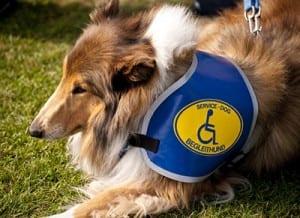 For many who suffer PTSD, dogs are invaluable. A dog can give comfort and companionship without the need to talk. They help break out of isolation and keep depression at bay.
 Dogs can’t sweat. They pant to cool themselves off, but it’s not the most efficient system. Another risk for dogs is that they’re generally eager to please their owners and will not stop playing or even indicate that something is wrong until it is too late and heatstroke is a fact.
 A new bill is close to changing lives for many Philadelphia dogs and cats. It will soon be illegal to leave animals outside in extreme weather, and disobedient owners will face fines.